
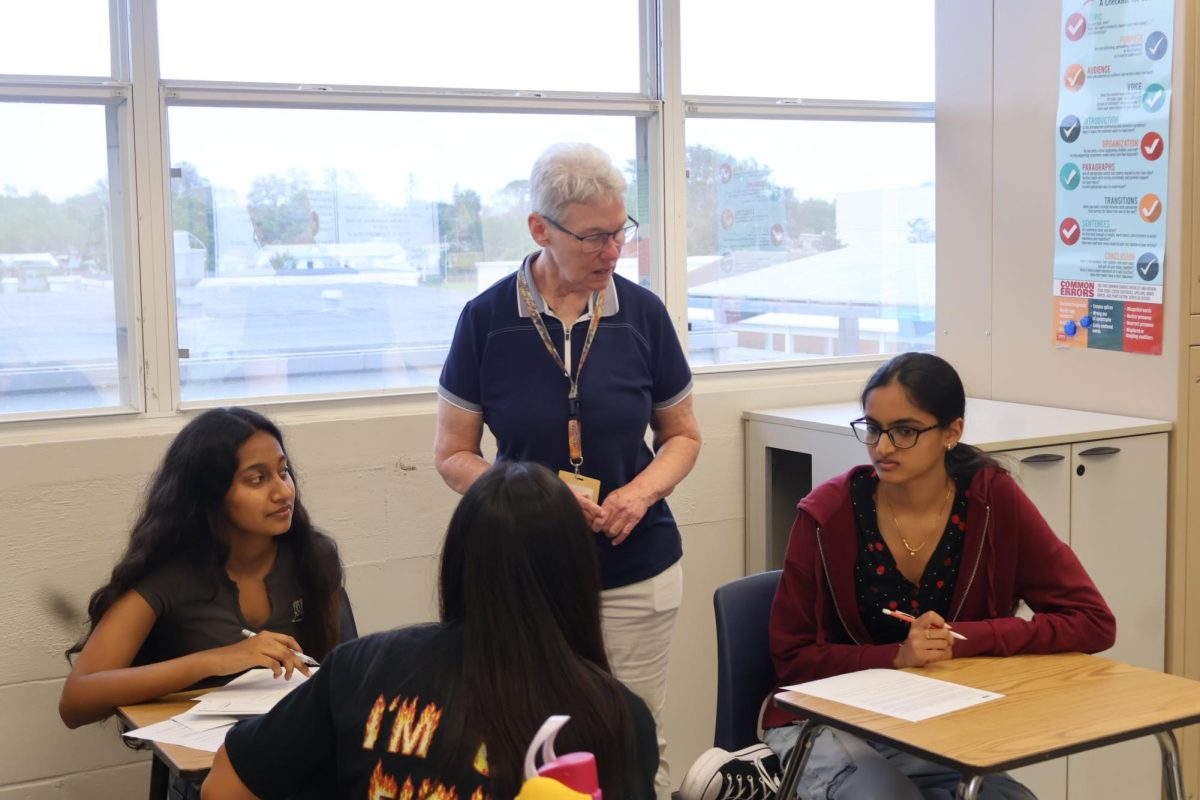










The Florida Department of Health has scheduled the removal of mandates for Hepatitis influenzae Type B, chickenpox, Haemophilus type B and pneumococcal conjugate vaccines for both schools and daycares in early December. Biology teacher Deanna Engler said that Ladapo’s plan prioritizes politics over healthcare, a move that could cause issues in the future.
“I think that [vaccinations] should be mandatory if you are going to enroll your child into the public school system,” Engler said. “You [need to] meet the requirements for that, and one of those requirements is vaccines. Getting rid of mandatory vaccines [is] a public health concern, not a personal health concern.”
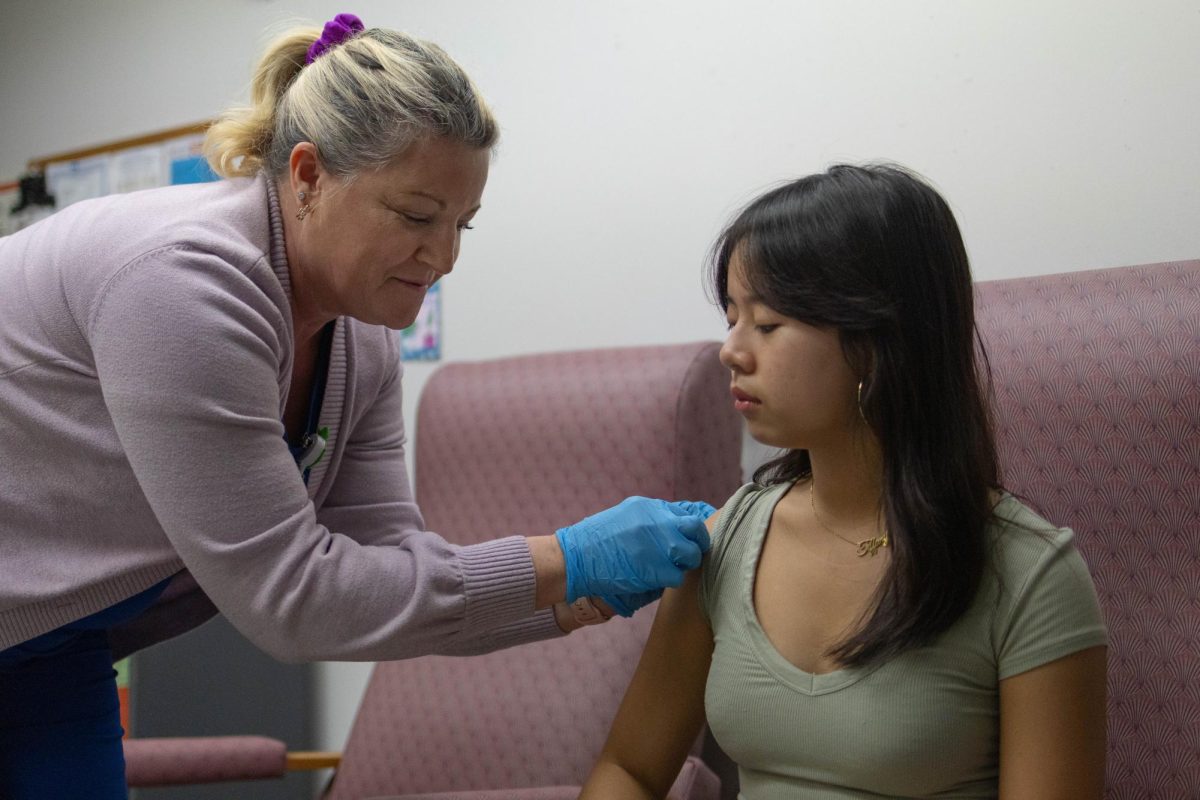
School nurse Kasie Shannon said she believes that vaccines are a personal choice.
“For certain age groups, keeping the mandate is okay,” Shannon said. “I don’t think it’s going to affect much, getting rid of the mandate. I think it should be your choice whether you get a vaccine or not.”
However, Engler said this decision could have adverse consequences for younger children.
“Kindergartens are like petri dishes, there’s no concept of hand-washing and when not to chew on things,” Engler said. “And younger children are the ones that are most susceptible to some of these childhood diseases, like measles and mumps and rubella, and kids are dying from preventable diseases as a result of the choices that politicians are making, and that shouldn’t happen. They shouldn’t be dying from things that are preventable.”
For immunocompromised students, vaccine mandates create herd immunity, where the spread of diseases is unlikely because a large enough portion of a population is vaccinated.
“There are people who can’t get vaccinated, who have underlying medical conditions, and they should be able to safely enroll in a public school without risking their life,” Engler said. “That’s what’s happening, you have a child that cannot be vaccinated due to an underlying medical condition, [and now] they’re not allowed to attend public school. I’m not okay with that. ”
The CDC reports that childhood vaccines have reduced cases of diseases like measles, mumps and rubella by more than 90% compared to the years before widespread vaccination.
“The absence of [vaccine requirements] is going to affect students that have weak immune systems,” Shannon said. “It will affect them and their parents, [and] I believe homeschooling will be a better option [for them],” Shannon said.
According to the Kaiser Family Foundation, 47 states allow vaccine exemptions for religious and personal beliefs. However, Florida is the only state so far that has made plans to end mandates entirely.
“There definitely will be an increase in certain sicknesses, which does make more work for me,” Shannon said. “I expect that there will be an increase in measles, chicken pox and whooping cough.”
In recent years, politicians have had greater influence on health care for the general public. Engler said she thinks that this may not be a wise decision.
“Politicians are not doctors and they don’t understand why [certain medical] choices are made,” Engler said. “Their motives are based on politics, not public safety. So we now have politicians making medical decisions that they neither understand the medical basis for, nor care to understand the medical basis for, and that’s potentially hazardous to all of us.”
Florida has enforced mandatory vaccine mandates for public and private schools since 1971.
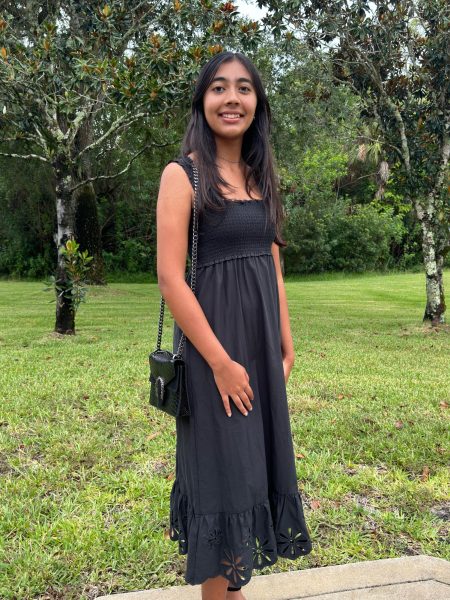
“I think it should be a state mandate because germs and diseases are a big threat to students that are currently growing up, and you don’t want people to get hurt,” junior Rose Boonsanguan said. “I think that this does fall on politicians because they should have kids in their best interest.”
Ultimately, this change depends on how smoothly school parents handle the transition.
“I think that if they do go through with this mandate, more parents should ensure that their kids know about hygiene and teach them young so that there is a lower risk for students,” Boonsanguan said.
This move will be reviewed in 2026 by the Florida Legislature to determine whether mandates for other diseases should be completely removed or not, but this change still raises questions for families across the state.
“I’m not an immunologist, but I certainly have more training in what vaccines are and how they work … It’s part of my curriculum,” Engler said. “So I understand why it’s such a problem that they’re making these political decisions that are not based on medicine. I think [vaccination rates are] going to go down across the state, and I think kids are going to die from preventable diseases.”