
You’re not “just a kid.” Growing up, most students are fed lies fueling the idea that their opinions are invalid, their voices are silent and their impact is minimal. There is an apparent culture of adults urging teenagers and children to avoid political discussions because, “what would a kid know about that?” With a generation of curious minds and the world’s largest encyclopedia in their back pockets, today’s youth have all the resources needed to stay politically informed — and, as studies show, they are.
In a survey by the Center for Information & Research on Civic Learning and Engagement, 76% of young Americans aged 18-29 believe that youth have the “power to change the country.” Two decades earlier, only 60% of young Americans shared this sentiment, according to the same source. Going through the stages of adolescence alongside internationally recognized youth activists like Greta Thunberg, it’s no wonder that student political efficacy is on the rise. If Thunberg can be the Time Person of the Year at age 16 for climate activism, then what is stopping today’s youth from participating in politics when they feel inspired? While these advocates stepped onto the global stage to make the progress they hoped to see, activism is critical at all levels, especially at the local level.
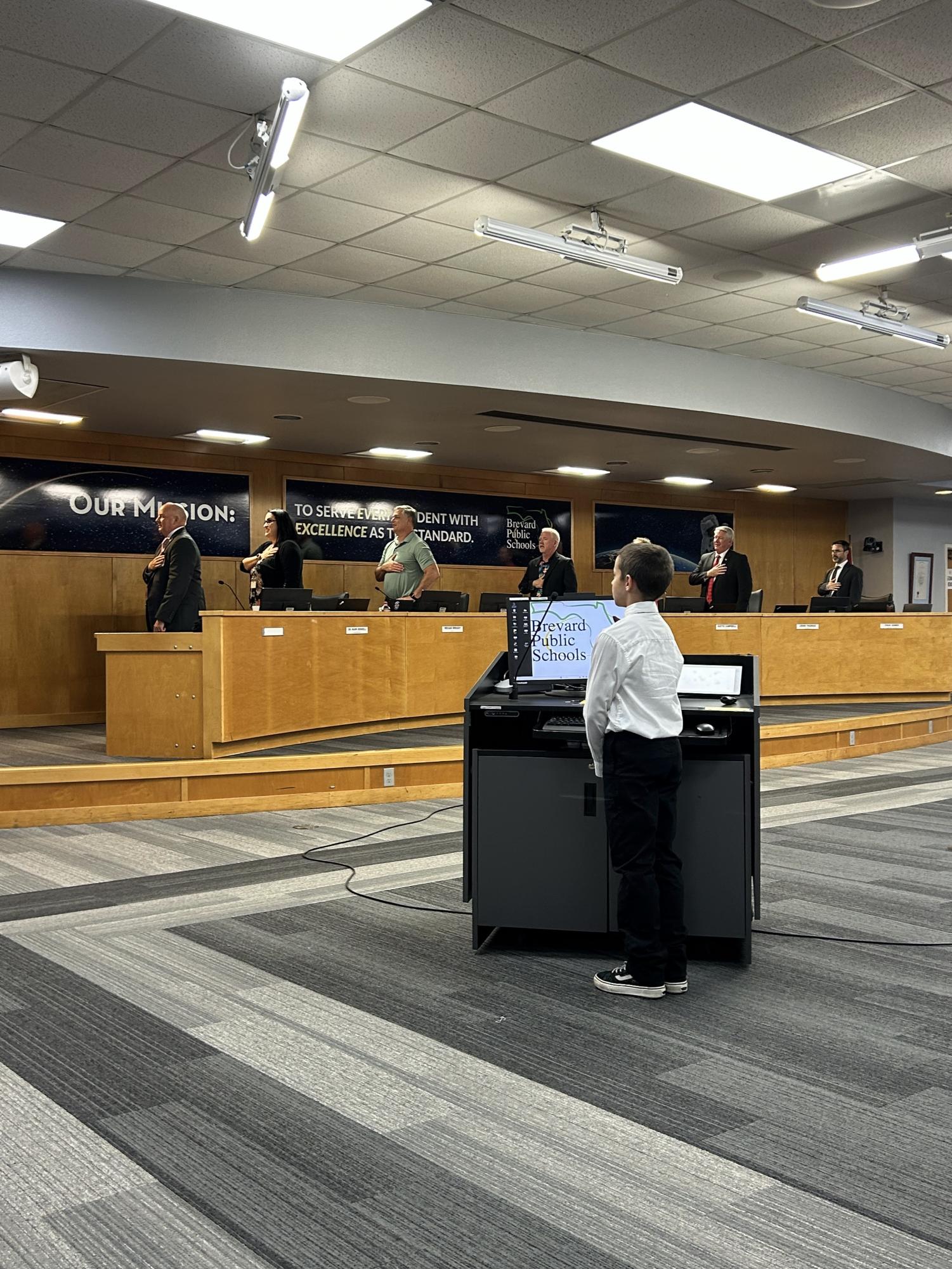
Recently, Brevard students proved that they can make a difference in the world of politics. After the Board proposed a policy to eliminate the use of personal laptops, tablets and e-readers from school, the public spoke out. High school students and teachers from across the county preached their concerns to the Board and emphasized the benefits of personal devices on education. Students spoke from the heart about their concerns over the the irritation of test-taking with painstakingly slow Wi-Fi and the loss of tools on their personal devices to improve day-to- day activities. Although some public comments garnered snarky responses from Board members — an unfortunate reality of speaking out against policy — their concerns were ultimately heard.
On Aug. 26, the Board announced that they would not ban personal laptops, tablets or e-readers, marking a victory for student advocates across the county. The voices of youth were heard, and action promptly followed. If you can save your laptops within a few weeks, what else could you do with the rest of your life?
Let this be a lesson to all passionate students: you can make a real impact. While the division of the media and threats prevalent in the American political environment can be terrifying, young people should not leave their livelihoods completely in the hands of elected officials. Representatives exist to serve their constituents, not serve themselves. So when feeling distraught, impassioned or excited over political changes, it is everyone’s job as a citizen to address their ideas. Call a representative, schedule a meeting with your mayor, speak out at public hearings, share your message on social media, participate in protests or petitions — advocate for your beliefs.
Don’t sit by idly while others make decisions for you. Speak with conviction. Speak with courage. Speak with dignity. And, most importantly, speak up.