


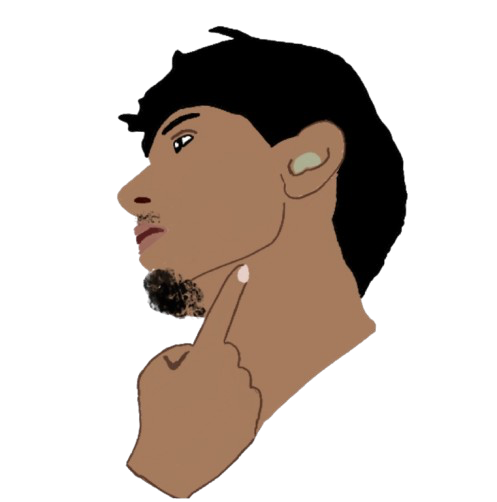
Achatter fills the hallways, the same six words echo repeatedly: “ASU frat leader frame mogs Clavicular.” “Frame mogging” refers to having a more attractive or dominant body structure than someone else, specifically when directly next to each other. Clavicular is an internet personality known for taking “looksmaxxing” to extreme levels, following a trend focused on improving physical appearance. However, his content tends to involve controversial and risky methods, including bone-smashing which represents a fundamental misunderstanding of bone structures by attempting to change facial features through intentional bruising , or the use of injections to reduce facial bloating, has painted a negative reputation for him.
While many treat the phrase as a joke and make memes out of it, the bigger question remains: how many teenagers or even adults are genuinely taking this “looksmaxxing world” seriously and absorbing this mindset?
A society where women are pressured to be thin and men to be muscular to meet conventional beauty expectations is nothing new. However, with the rise of “short-form” content on social media platforms, these ideals have intensified and polarized for newer generations. Self-improvement, such as working out, dieting, and improving daily habits, is all inherently good but things are taking a quick turn for the worse.
Looksmaxxing isn’t just obsession with appearance but it normalizes extreme cruelty and hopelessness. For instance, young men are posting pictures of themselves on the internet only to encounter immense body-shaming, with comments labeling them as ‘disgusting’ or ‘inadequate’ while simultaneously hyperfocusing on their imperfections. Furthermore, participants are ranked on a numerical scale, with those considered unattractive labeled as “subhuman” or “chuds.” When teenagers are constantly being exposed to a culture that evaluates their worth solely through jawlines, height or facial ratios, it is no surprise that self-esteem erodes. Even more disturbing, some promote extreme measures, including self- harming techniques like cheek bonesmashing and in some cases even suggestions of suicide. What is labeled online as “self-improvement” has taken a dark shift into a culture of self- loathing. Instead of building confidence in people, the youth have learned to scrutinize their own bodies since, in their minds, appearance is the sole determinant of value and success in the world.
And the consequences even go further than being poked fun at online. This constant exposure to idealized body standards and participation in highly appearance-focused communities will inevitably lead teenagers to body dissatisfaction, muscle dysmorphia and obsessive comparisons. In a society where teenagers, especially young men, should be finding their passions and shaping their futures, they are instead busy trying to achieve perfect chiseled features and muscular bodies to be considered “acceptable.” Even worse, these same intense jaw training practices and cosmetic procedures have been found to lead to injuries and chronic discomfort. The toxic criticism found in online looksmaxxing culture turns self-enhancement into extreme dieting, unhealthy weight control and aesthetic abuse, which all harm overall health. Mentally, individuals are now experiencing a negative portrayal of themselves and constantly not feeling good enough or valuable. This creates psychological stress, depression, and in the worst cases, suicide.
This online looksmaxxing movement has already seeped into classrooms, the cafeteria, and locker rooms. Terminology like “mewing” and “mogging” may be used as jokes at times, but the language does reveal a shift in how peers view one another. With looks being a daily topic of comparison within schools, this reinforces the concern of social value being determined by appearance. Teenagers should be focusing on academics, friendships, or personal growth rather than comparing jawlines with others on the internet and in real life.