A single shift has led to a change in the college sport landscape, affecting players and schools. The NCAA’s decision to approve name, image and likeness has allowed college players and staff to earn large sums of money, and the transfer portal has allowed them to switch teams with no consequences, turning the NCAA into a bidding war for players.
“There are alternative ways to offer payment to amateur athletes,” Principal Burt Clark said. “Some kind of living stipend could be issued.”
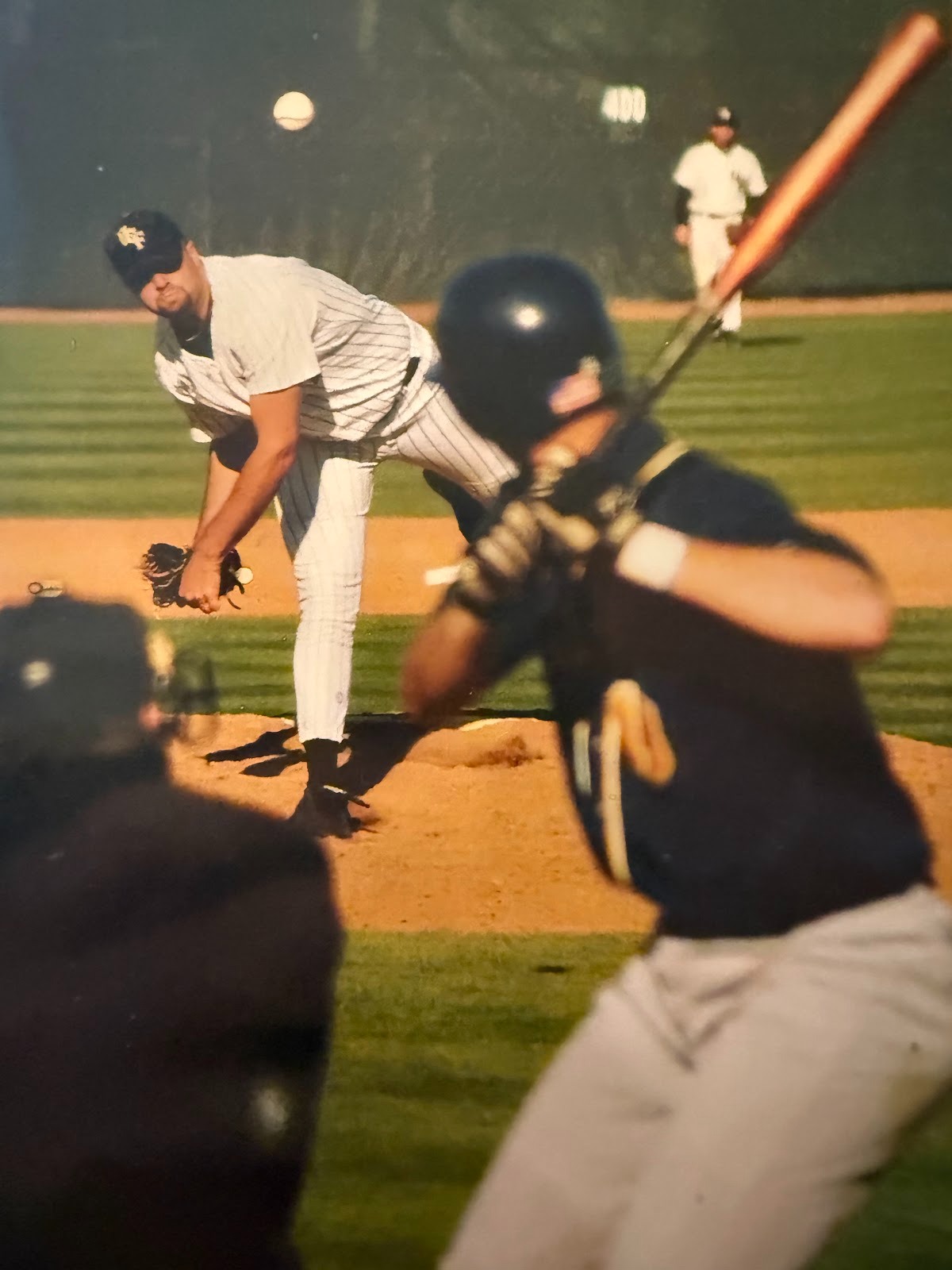
During his college years at UCF, Clark received a scholarship that allowed him to play both football and baseball.
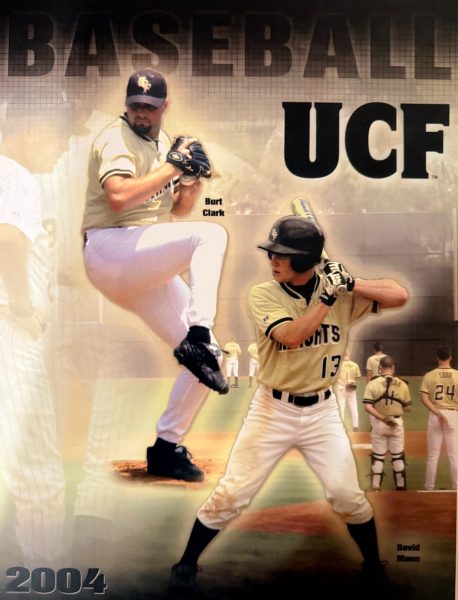
“With the system, mature athletes are getting paid large sums of money, which also includes being granted scholarships,” Clark said. “I didn’t receive any outside payment, yet with my scholarship money, I was able to maintain and play my sport.”
Many of the large NIL scholarships appear in college football, with the quarterback from the University of Texas, Arch Manning, receiving a $6.6 million scholarship, the largest in the history of college sports. Similar to NIL, the transfer portal has become a way for players to earn greater amounts of money. Instead of staying at a college for a player’s entire college career, the portal allows players to transfer to other teams, usually seeking playing time or profit.
“I’m not in favor of this portal where you can leave multiple times in a season with no repercussions,” Clark said. “I can see it being used as a way to even out the playing field, as some top schools are no longer considered powerhouses, [the portal] allows for other schools to step up their program.”
Freshman Worth Clements said he doesn’t see the NCAA transforming into the professional game, due to the players’ ages. He said he sees this as the main divider in pro and college.
“In professional leagues, players are still offered large sums of money, but are bound by a contract to their team,” Clements said.
Most of the transfers through the portal appear in college football. However, Clark said he believes it has affected recruiting in all corners of college sports.
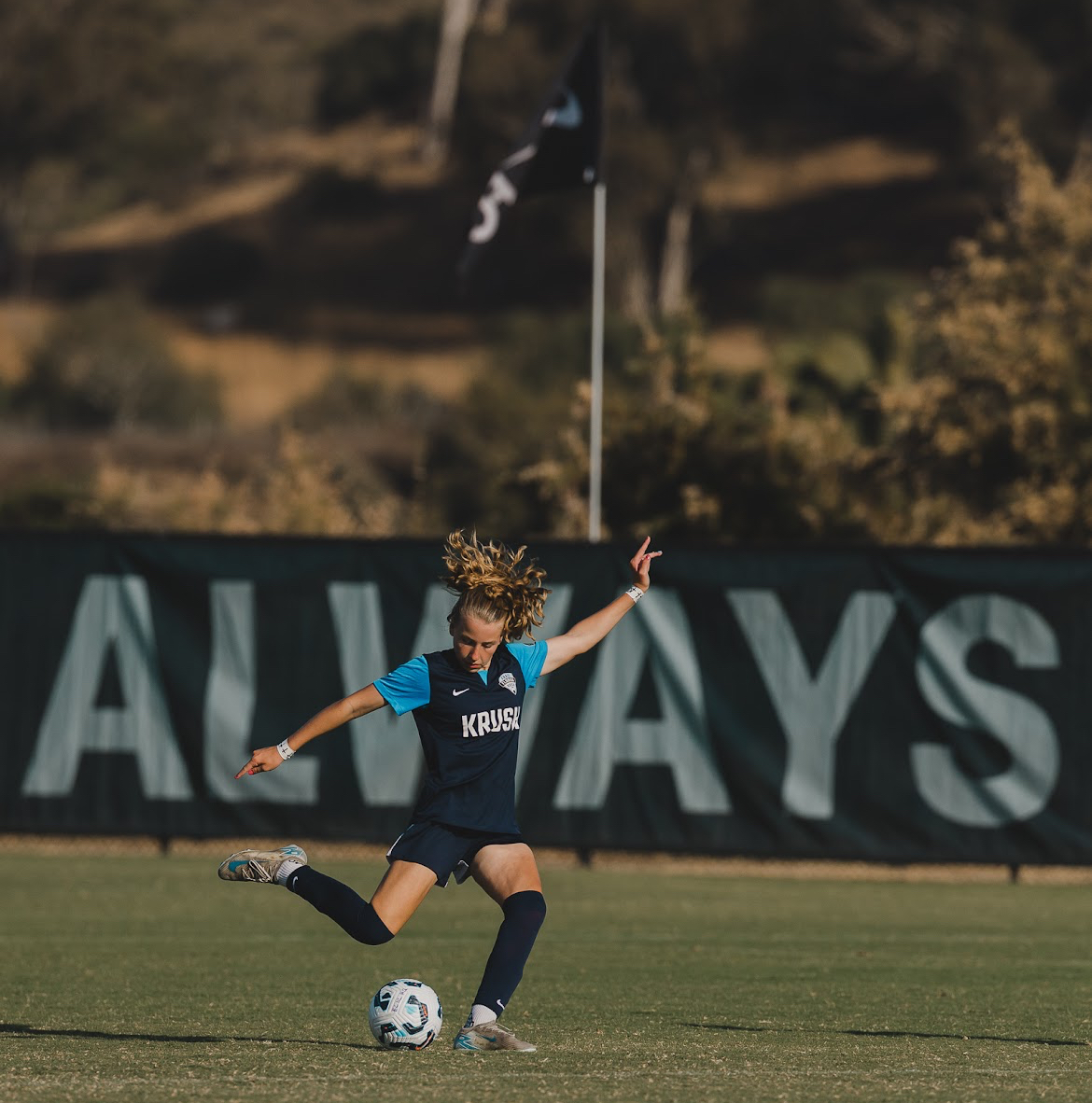
“It has changed high school recruiting … if recruiting for soccer, most players, unless they are Olympic level, will play for a D2 or JUCO program because colleges recruit from other colleges,” Clark said. “If someone isn’t playing for a team, smaller teams will recruit them.”
By Micah Leathers